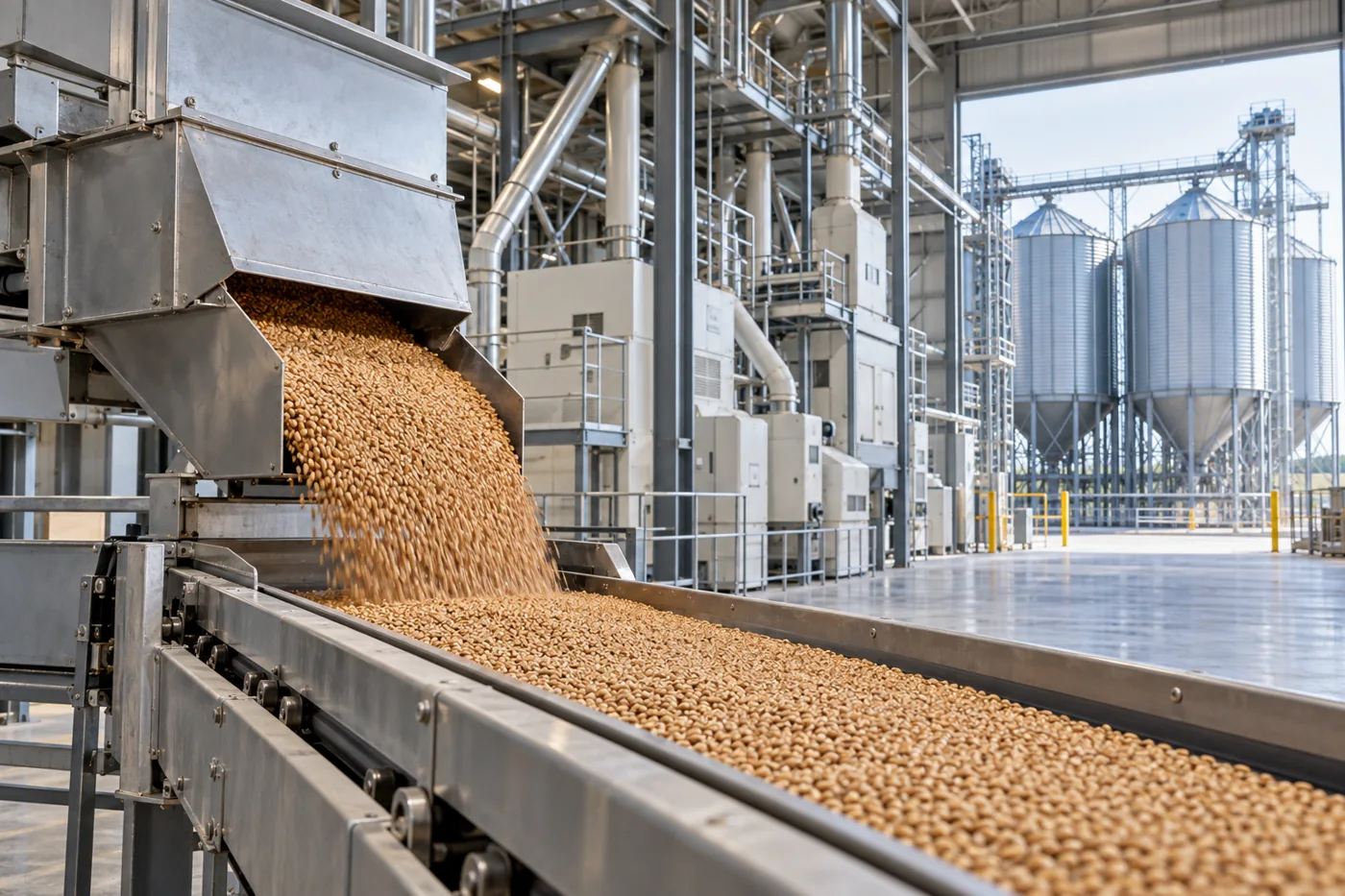
 Agribusiness and fertilizers
Filtration in grain dryers: temperature, moisture and dust control
Grain drying combines heated air, changes in moisture and particle entrainment.
Read article →
Knowledge applied to industry
Filtration, ventilation, and particulate control: design criteria, applications, and ways to improve operation.
Featured reading
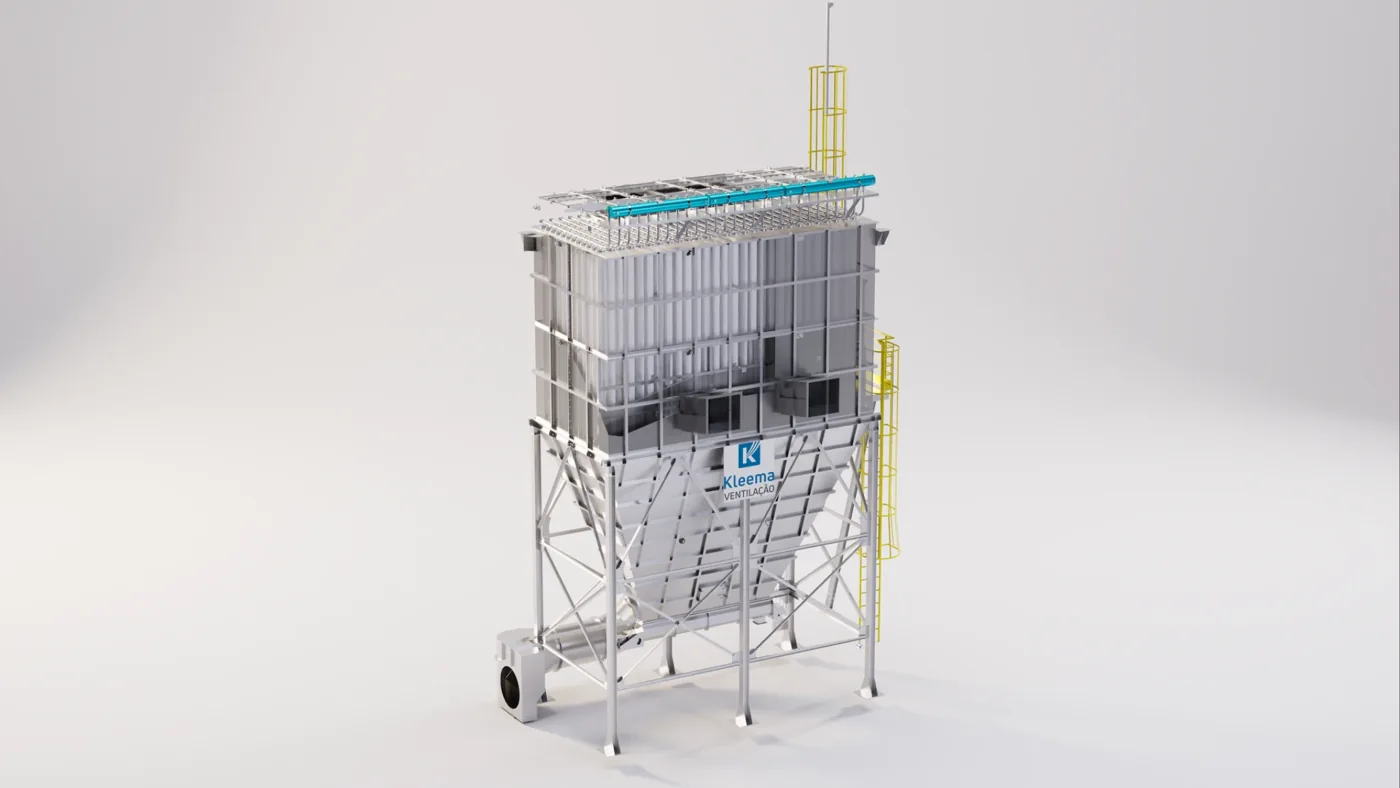 Sizing
Understand the relationship between flow rate, filter area, internal velocities, and pressure drop.
Explore the article →Agribusiness and fertilizersGrain drying combines heated air, changes in moisture and particle entrainment.
Read article →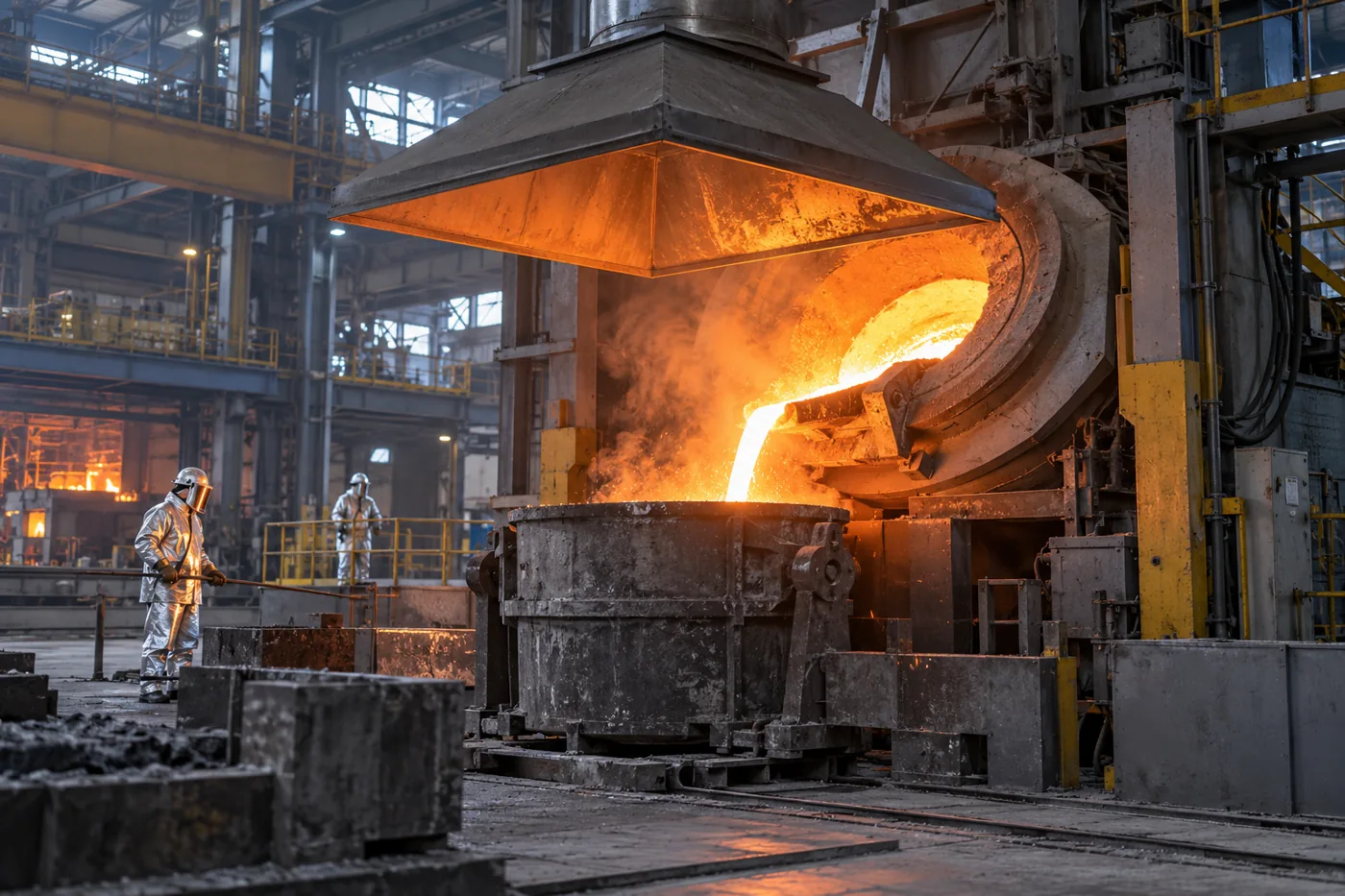 Steelmaking
Melting and other steelmaking operations generate metal fumes, heat and gas streams of variable composition.
Read article →Agribusiness and fertilizersFertilizer mixers, granulators and transfer points can release fines, reduce product utilization and contaminate adjacent areas.
Read article →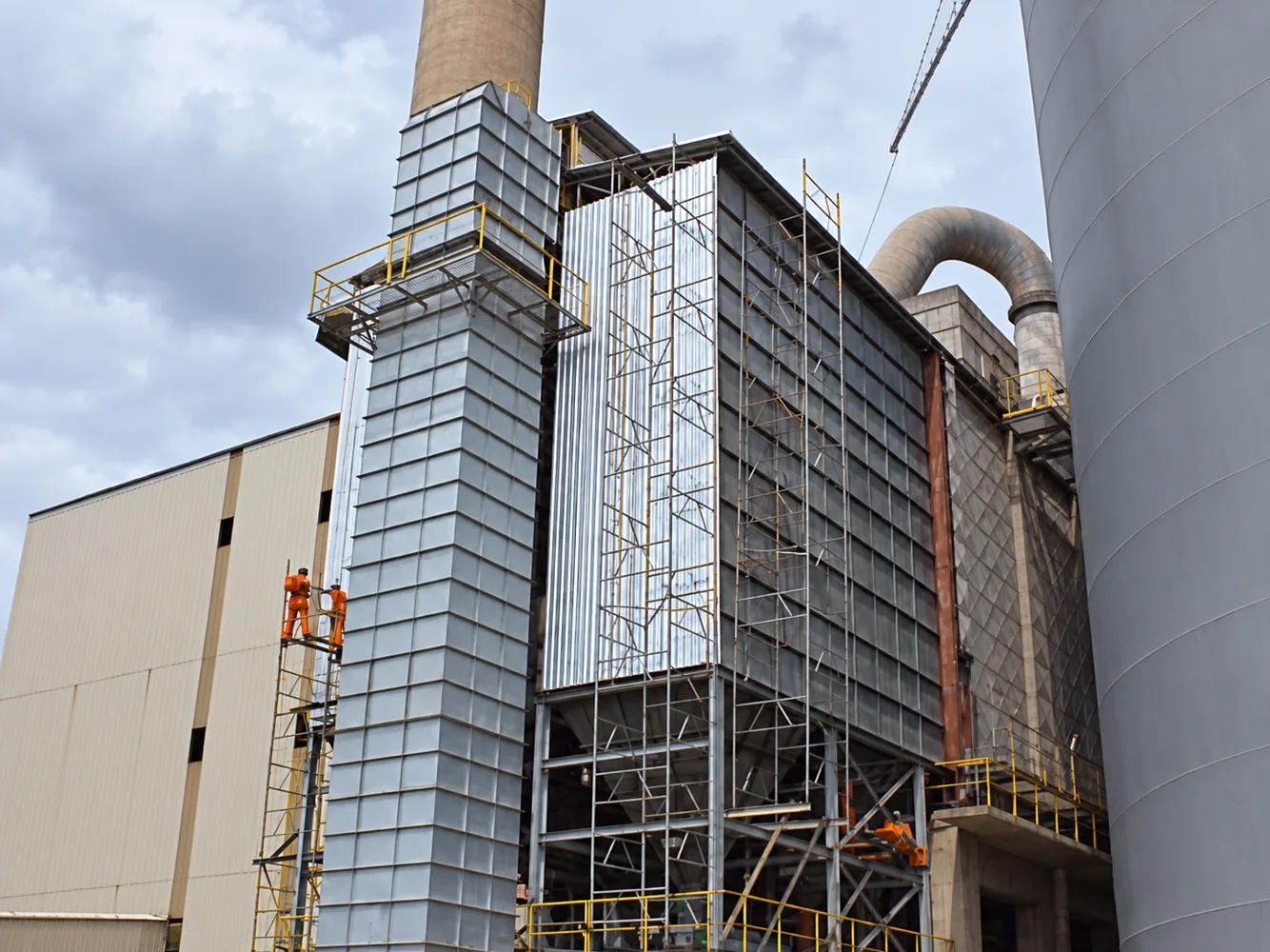 Steelmaking
Changes in production, wear and maintenance difficulties may justify upgrading a dust extraction system.
Read article →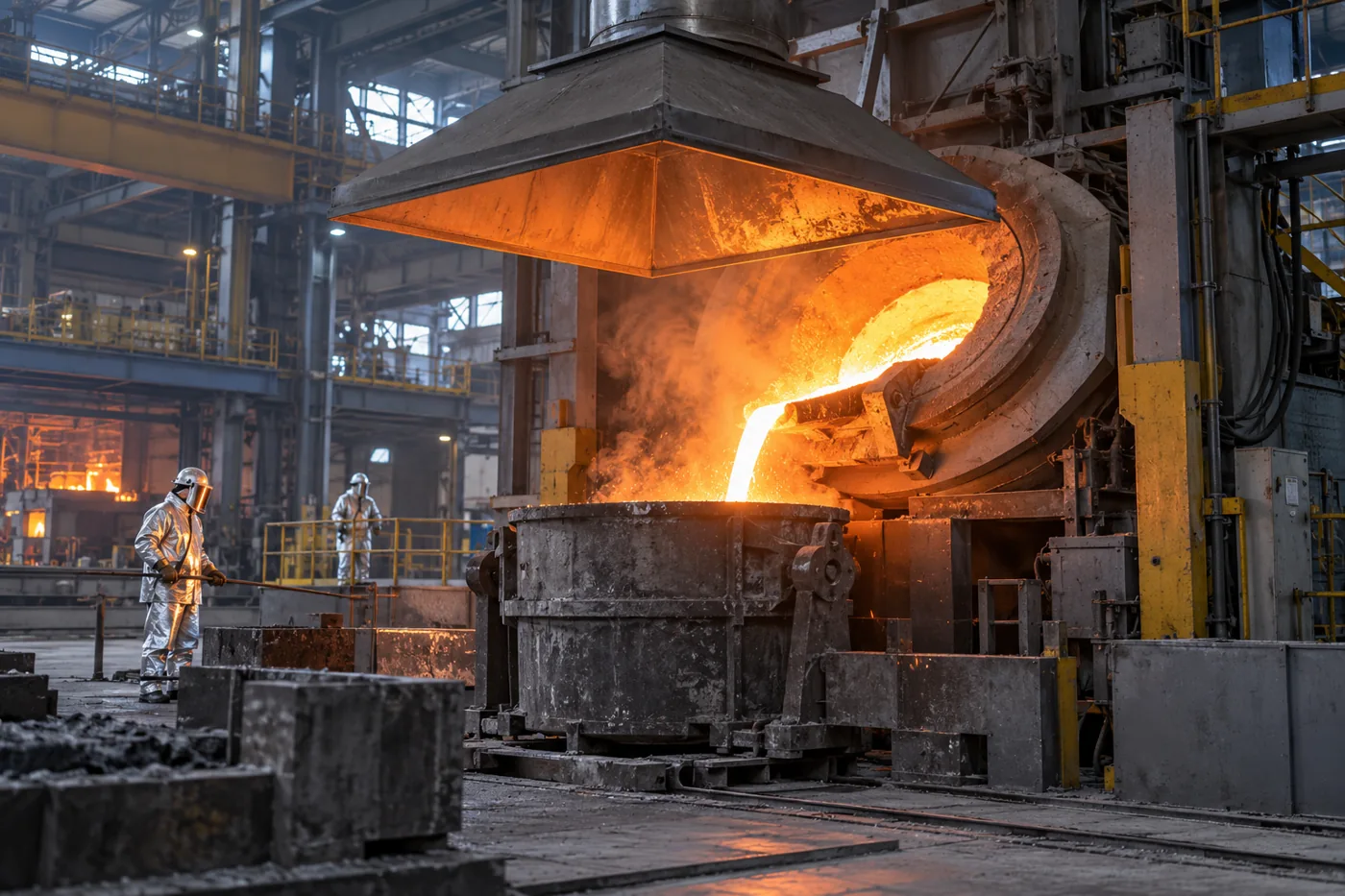 Metallurgy
Powder-coating and abrasive-blasting booths must control particle dispersion without impairing the work being performed.
Read article → Pharmaceuticals and laboratories
Highly potent active pharmaceutical ingredients require a containment strategy defined by occupational exposure assessment and the pharmaceutical process.
Read article →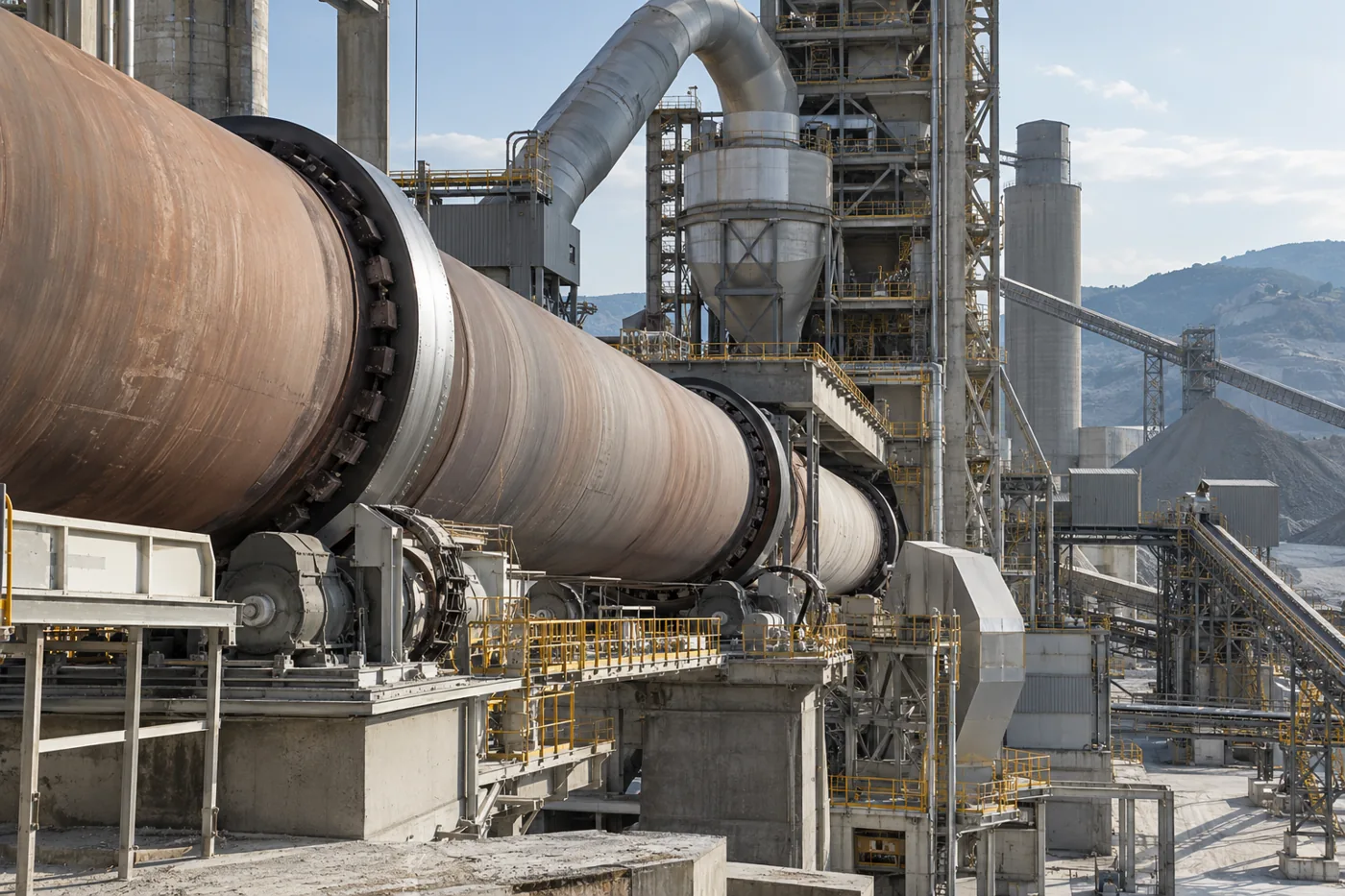 Cement
Clinker cooler exhaust air may contain high loads of abrasive particles and undergo temperature variations.
Read article → Chemical industry
In the chemical industry, stream composition determines the control technology.
Read article →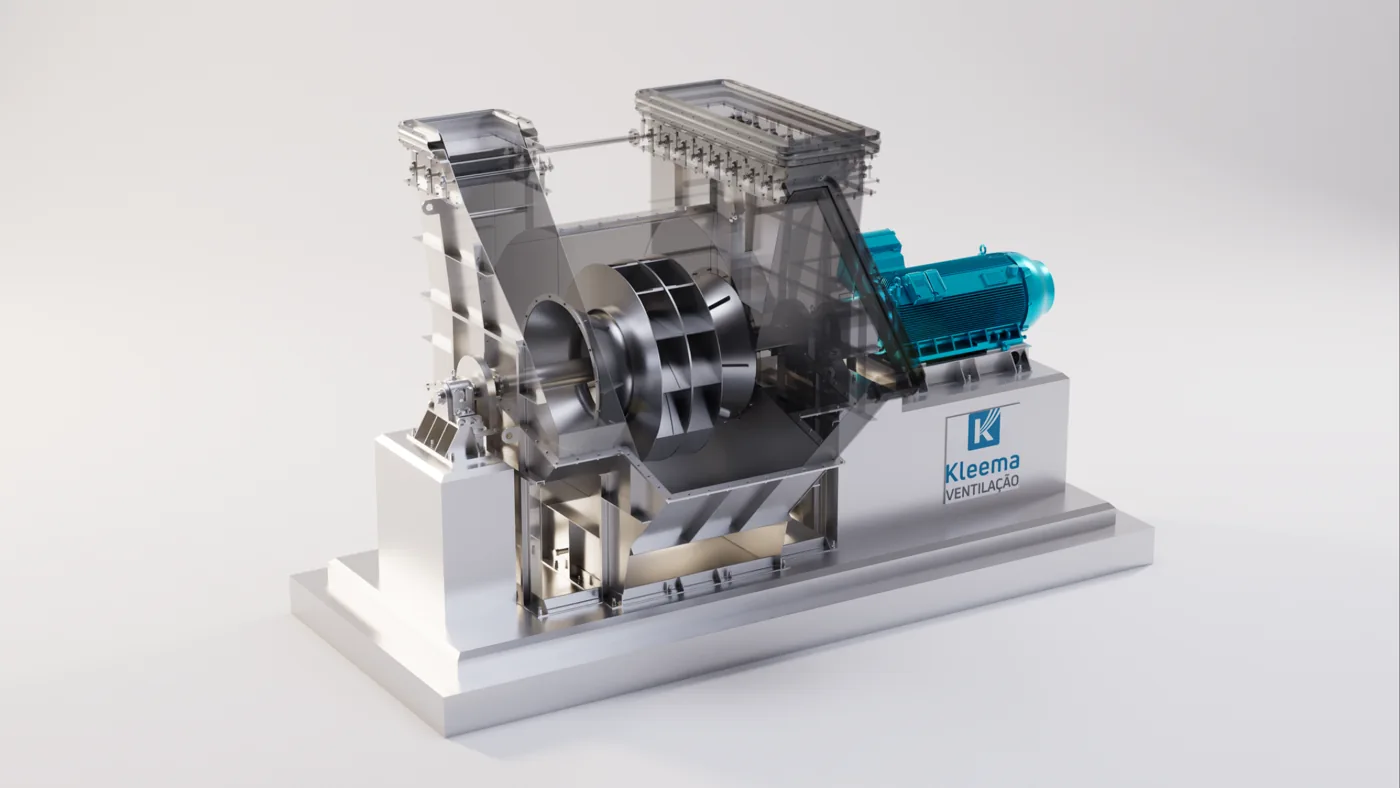 Agribusiness and fertilizers
Vapors, dust and moisture present in fertilizer manufacture can attack casings, impellers and seals.
Read article →Pharmaceuticals and laboratoriesTablet presses and coating equipment can generate powders and exhaust streams with different characteristics.
Read article →Pharmaceuticals and laboratoriesFans used for pharmaceutical process extraction must deliver the required airflow and pressure without compromising hygiene, maintenance or noise control.
Read article →Agribusiness and fertilizersFertilizer transfer, loading and bagging generate localized emissions that vary with drop height, product flow rate and enclosure conditions.
Read article →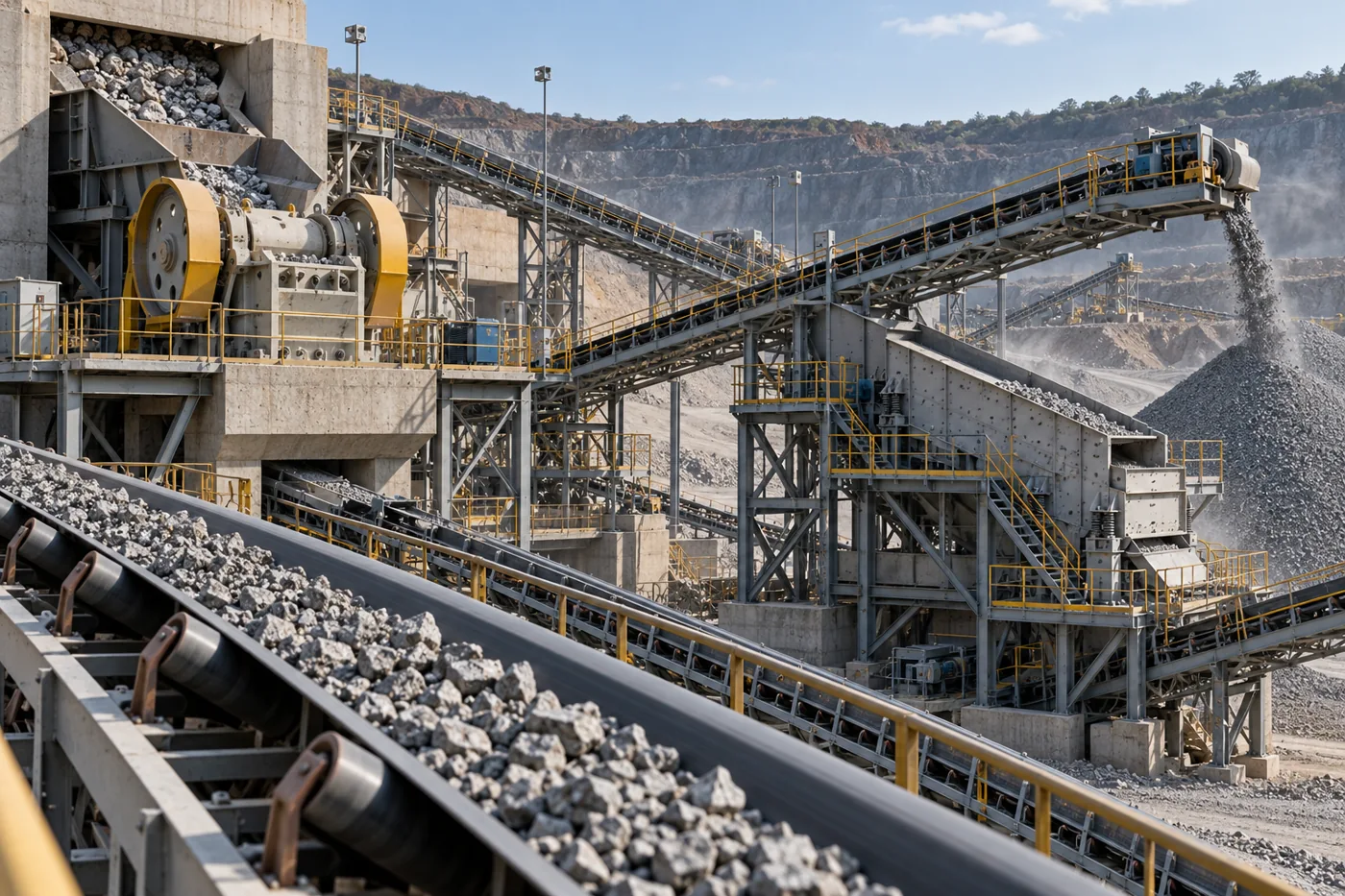 Mining
Crushing, screening and belt transfers generate dust at distributed sources.
Read article →Pharmaceuticals and laboratoriesWeighing, sample preparation and powder handling can produce localized exposure in pharmaceutical laboratories.
Read article →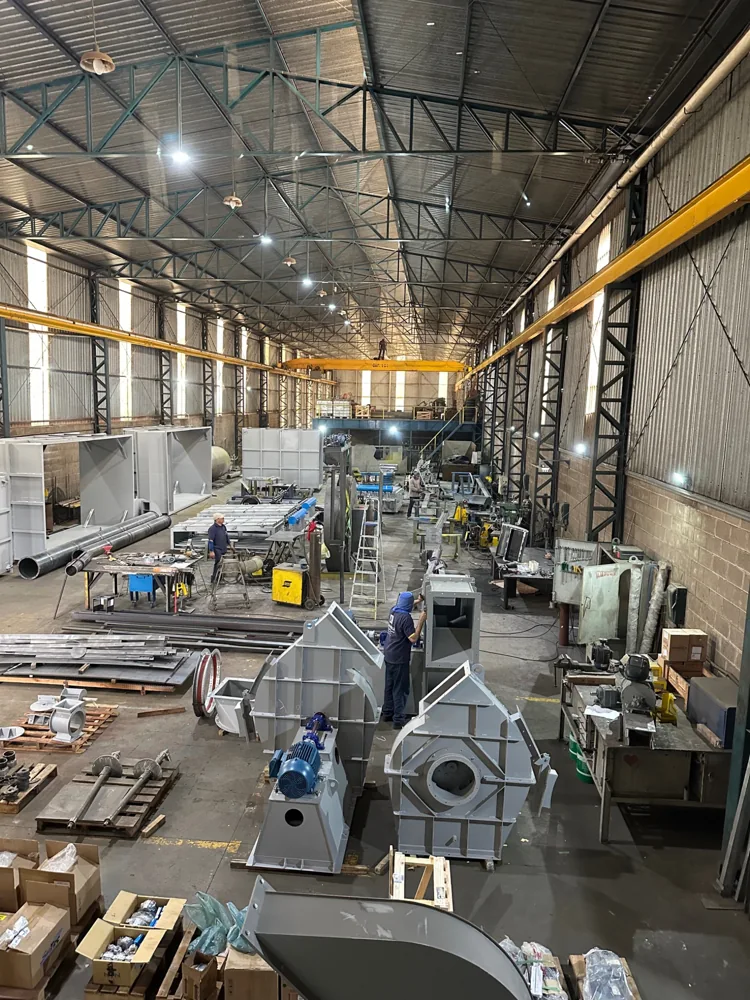 Cement
The service life of a filtration system depends on the combination of sizing, manufacture, operation and maintenance.
Read article →Agribusiness and fertilizersStorage aeration, dust aspiration and pneumatic conveying have different airflow and pressure requirements.
Read article →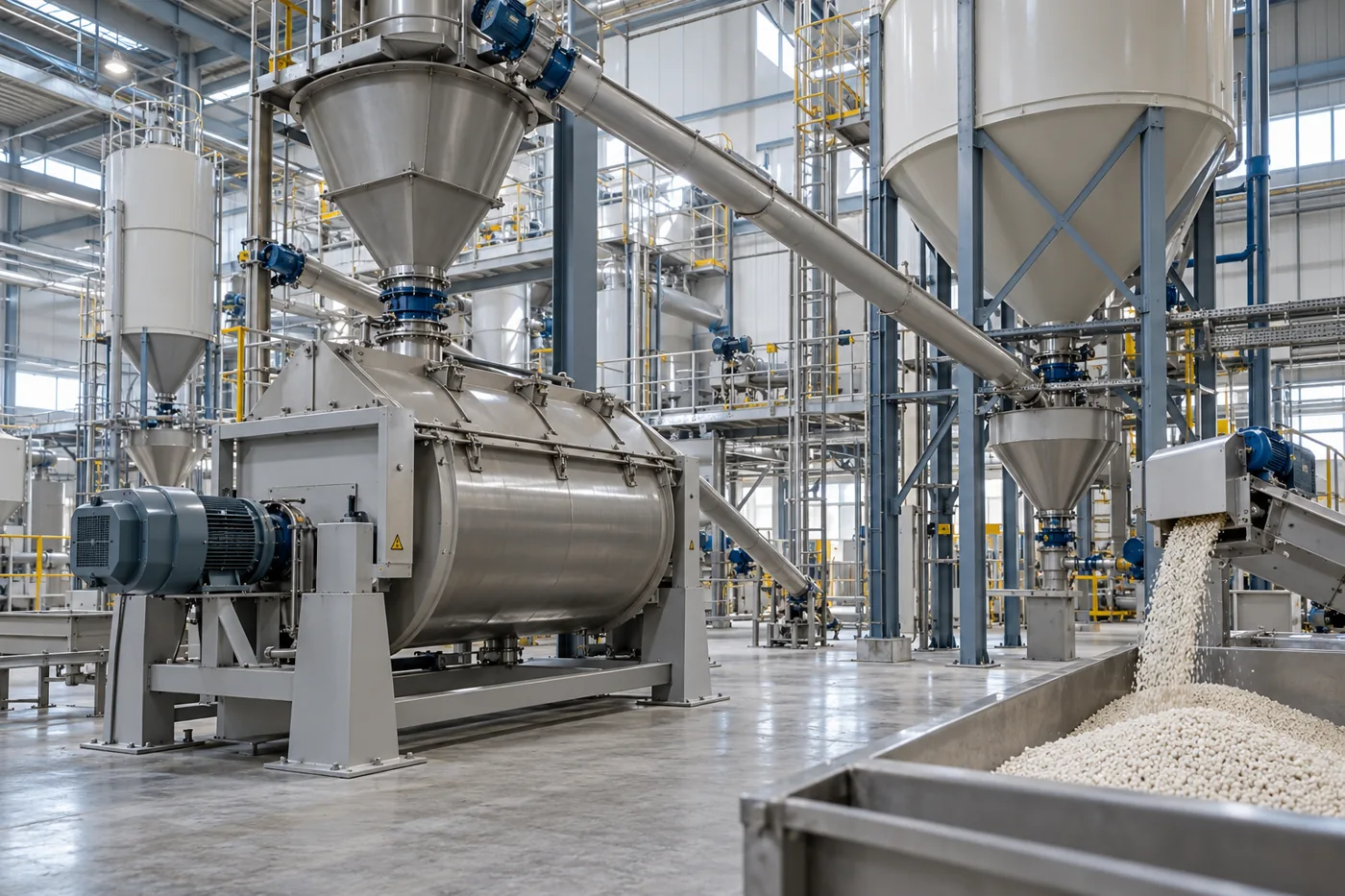 Chemical industry
A chemical dust may present a fire or explosion risk depending on its properties and dispersion conditions.
Read article →Chemical industryDryers and calciners can generate fine dust in hot gases whose composition changes with the raw material and thermal regime.
Read article →Agribusiness and fertilizersIn soybean, corn and other grain processing, fines and moisture can encourage deposits and wear.
Read article →MetallurgyCondition measurements make it possible to identify trends before a failure interrupts the process.
Read article →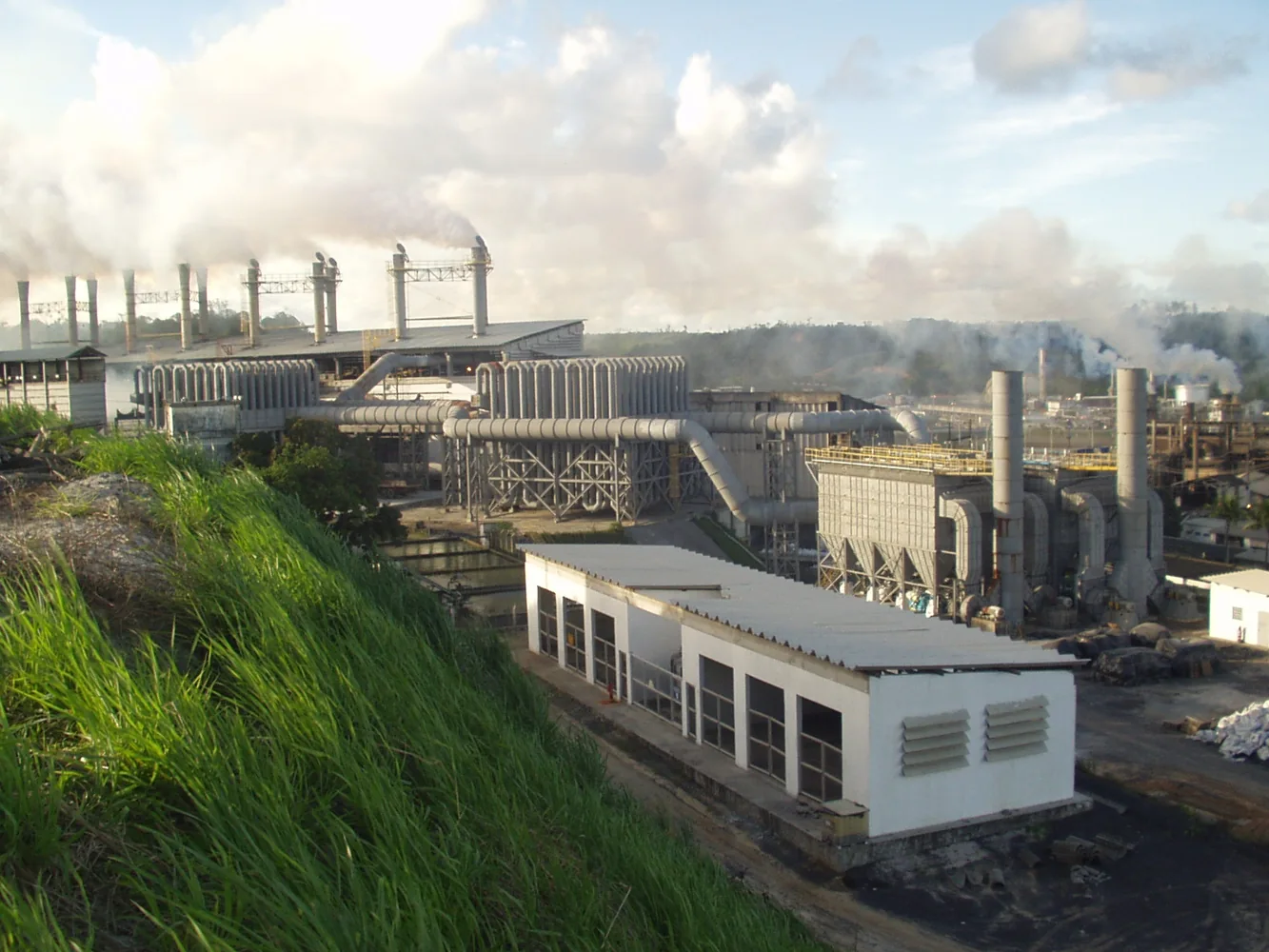 Metallurgy
Reduction furnaces can generate streams containing fine fumes, high temperatures and variations in composition.
Read article →MetallurgyWelding, thermal cutting and foundry operations generate fumes and particles with distinct characteristics.
Read article →MetallurgyMachining, rolling and heat treatment can generate dusts, mists and gases.
Read article →General topicsA centrifugal fan transfers energy to air or gas through an impeller.
Read article →SteelmakingSlag and hot-material handling areas expose extraction systems to abrasion and high-energy particles.
Read article →Agribusiness and fertilizersEmission control in sugar and ethanol mills involves distinct sources, such as biomass handling and thermal processes.
Read article →General topicsThe energy consumption of a dust extraction system results from the flow rate moved, flow resistance and efficiency of the ventilation assembly.
Read article →MiningFilling silos and dropping material at transfer points displace air and can disperse dust.
Read article →MiningAbrasive wear depends on particle hardness, concentration, size and trajectory.
Read article →MiningThe fan in an extraction and crushing installation must overcome circuit resistance and sustain capture at operating sources.
Read article →CementFilters connected to the kiln, raw mill and cement mill operate in circuits with distinct functions and conditions.
Read article →Pharmaceuticals and laboratoriesBlending, transferring and handling pharmaceutical powders may require local capture and dedicated filtration.
Read article →Chemical industryBag opening, discharge and transfer of chemical solids are frequent sources of localized dust.
Read article →CementVentilation in the clinker line involves temperature, high flow rates and varying resistance conditions.
Read article →Chemical industryChemical process extraction must reconcile flow rate and pressure with contaminant resistance.
Read article →CementConverting an electrostatic precipitator to a bag filter can reuse part of the existing installation and adapt collection to new process conditions.
Read article →MiningNot all mineral dust is combustible, but materials such as coal and certain processed dusts may require specific protection.
Read article →Agribusiness and fertilizersDusts from grains, meals and other organic materials can form combustible atmospheres.
Read article →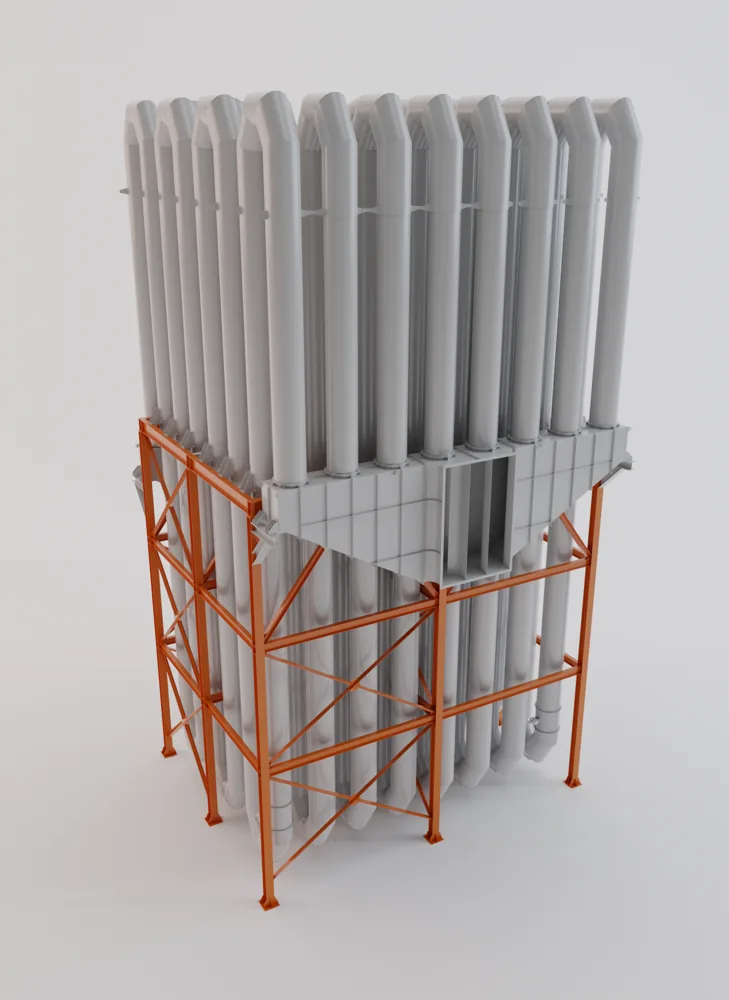 Steelmaking
Gas temperature must be compatible with the limits of the filter, ducts and fan.
Read article →General topicsSizing a bag filter means matching process flow rate to dust characteristics, filter medium and operating conditions.
Read article →