Mining
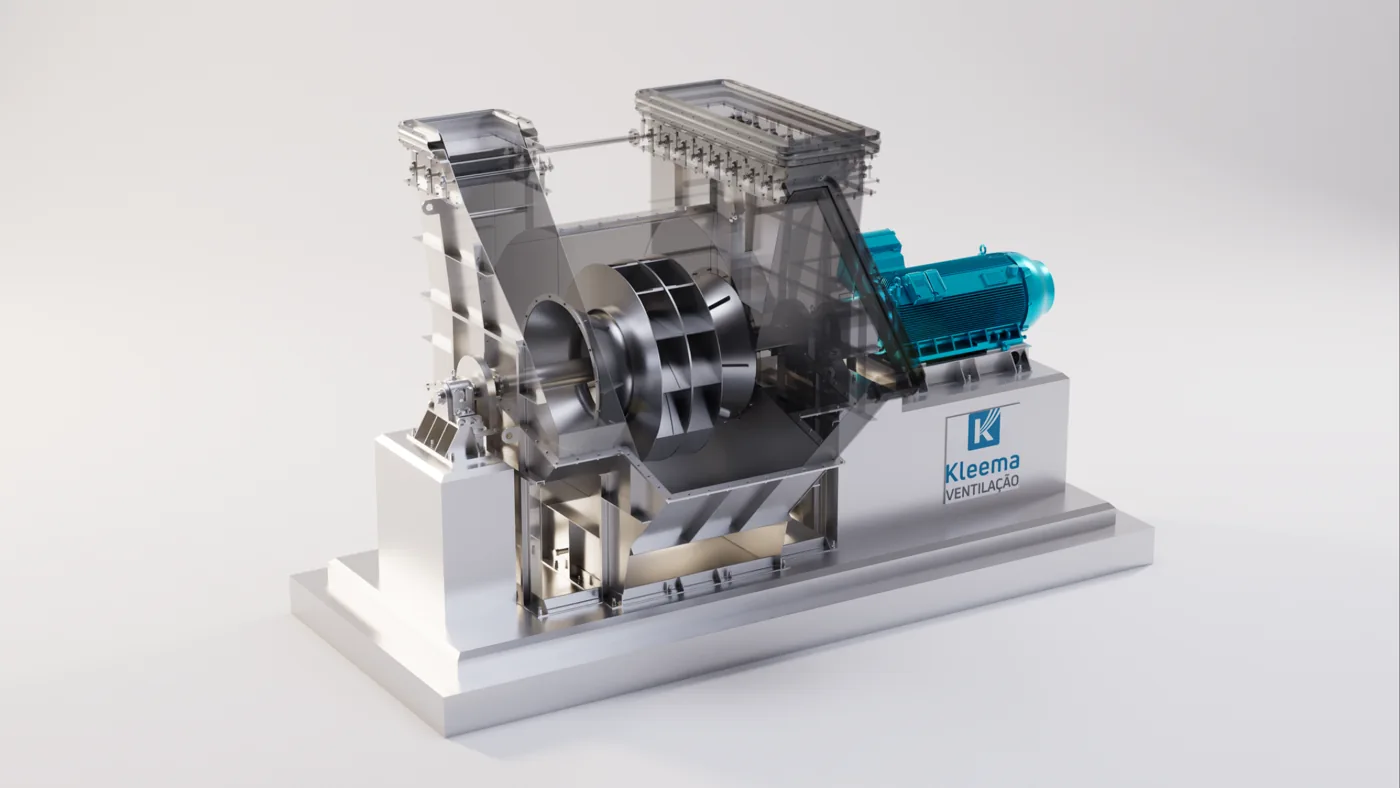
Abrasion protection in filters and fans
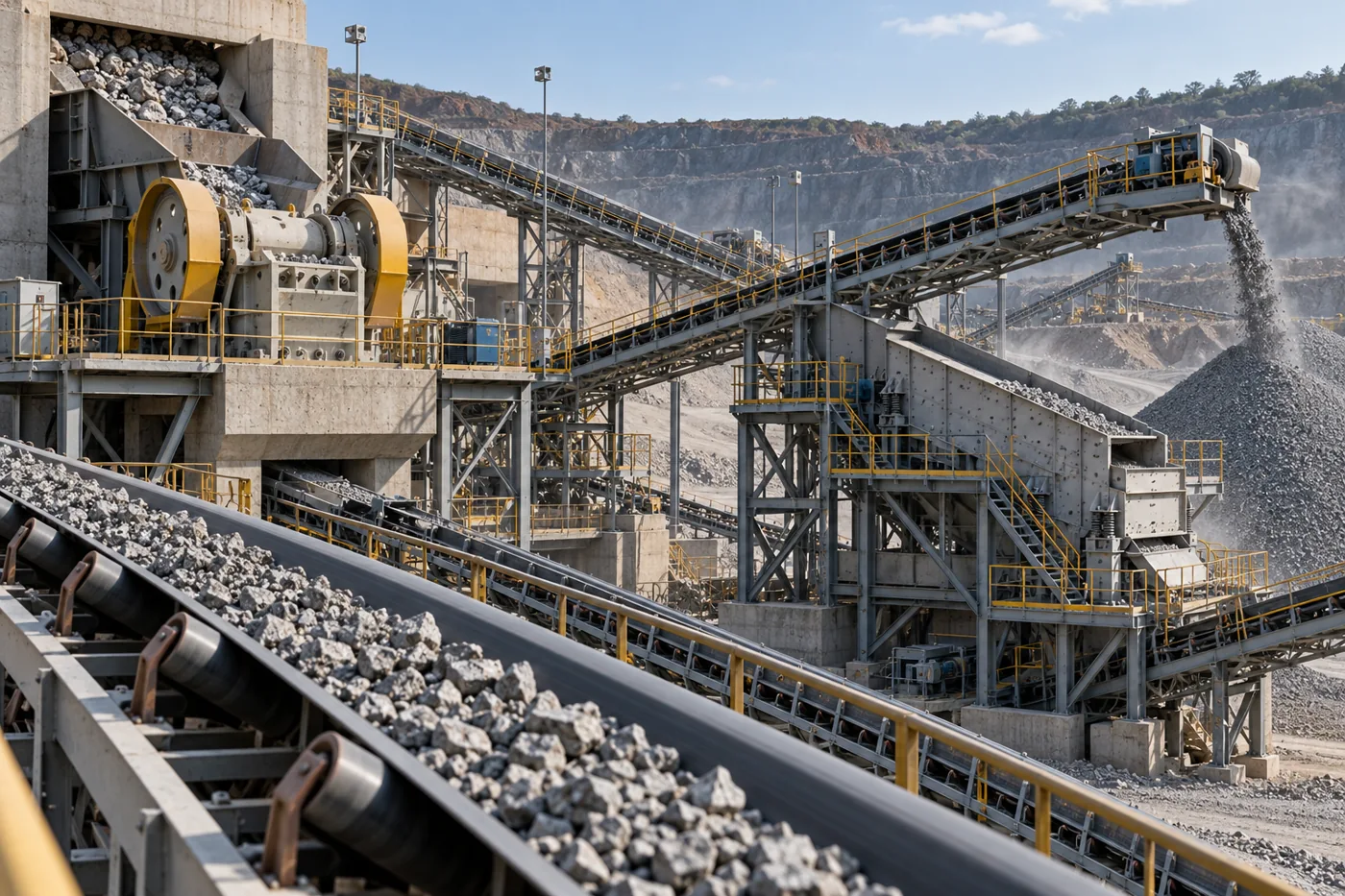
Abrasive wear depends on particle hardness, concentration, size and trajectory. In mineral extraction systems, inlets, bends and impeller regions can experience very different loads.
The process and emission sources
Hard particles can remove material through impact or sliding. Severity depends on velocity, angle of incidence, concentration and dust properties. Bends, casing inlets and impeller parts can have different wear rates even when moving the same stream.
Diagnosis must distinguish abrasion from erosion-corrosion and deposit-related damage. A lining suitable for one region does not always suit another, and the highest available hardness does not automatically represent the best solution for impact, attachment and maintenance.
Characteristics that guide engineering
Selection of resistant plates and linings must be guided by the wear mechanism. Changing impeller geometry or mass requires mechanical assessment and balancing, rather than simply applying a protective material.
Solution configuration and sizing
Protection begins with the flow. Reducing direct impacts, distributing the inlet flow and avoiding aggressive trajectories can be more effective than adding material to the surface. Wear plates and linings must be located on the basis of this analysis and allow inspection and replacement.
In impellers, changes in thickness, geometry and mass affect strength and dynamic behavior. Repairs must respect the design, including mechanical verification and balancing. In filters and ducts, protection must not create protrusions, accumulation points or obstacles that impair distribution and material removal.
Design parameters
| Parameter | How to assess it | Engineering decision |
|---|---|---|
| Mechanism and trajectory | Inspect the wear pattern | Define geometry and protection |
| Rate of loss | Measure repeatable points | Plan condition-based replacement |
| Impeller integrity | Assess mass and strength | Qualify repairs and balancing |
- Map regions with thickness loss.
- Reduce unnecessary impacts.
- Specify replaceable wear parts.
- Monitor vibration and tightness. The inspection plan must consider the observed wear rate.
Performance, diagnostics and maintenance
Thickness measurements at identified points allow damage progression to be assessed and solutions compared. The observed rate must be related to operating hours and ore conditions, because changes in concentration or particle size distribution may alter the result.
The benefit must be assessed through service life, ease of replacement and reduced downtime. Increasing thickness can extend a campaign, but also add weight and make maintenance more difficult. The decision must consider the component as part of the system, including supports and access conditions.
Monitoring the wear rate
Periodic measurements in the same regions help estimate damage progression. Preventive replacement can then be organized based on observed condition, considering that raw-material changes alter abrasion severity.
Further technical reading
Does your process need an assessment?
Talk to Kleema engineering about sizing, modernization and operating conditions.
Talk to engineering ↗