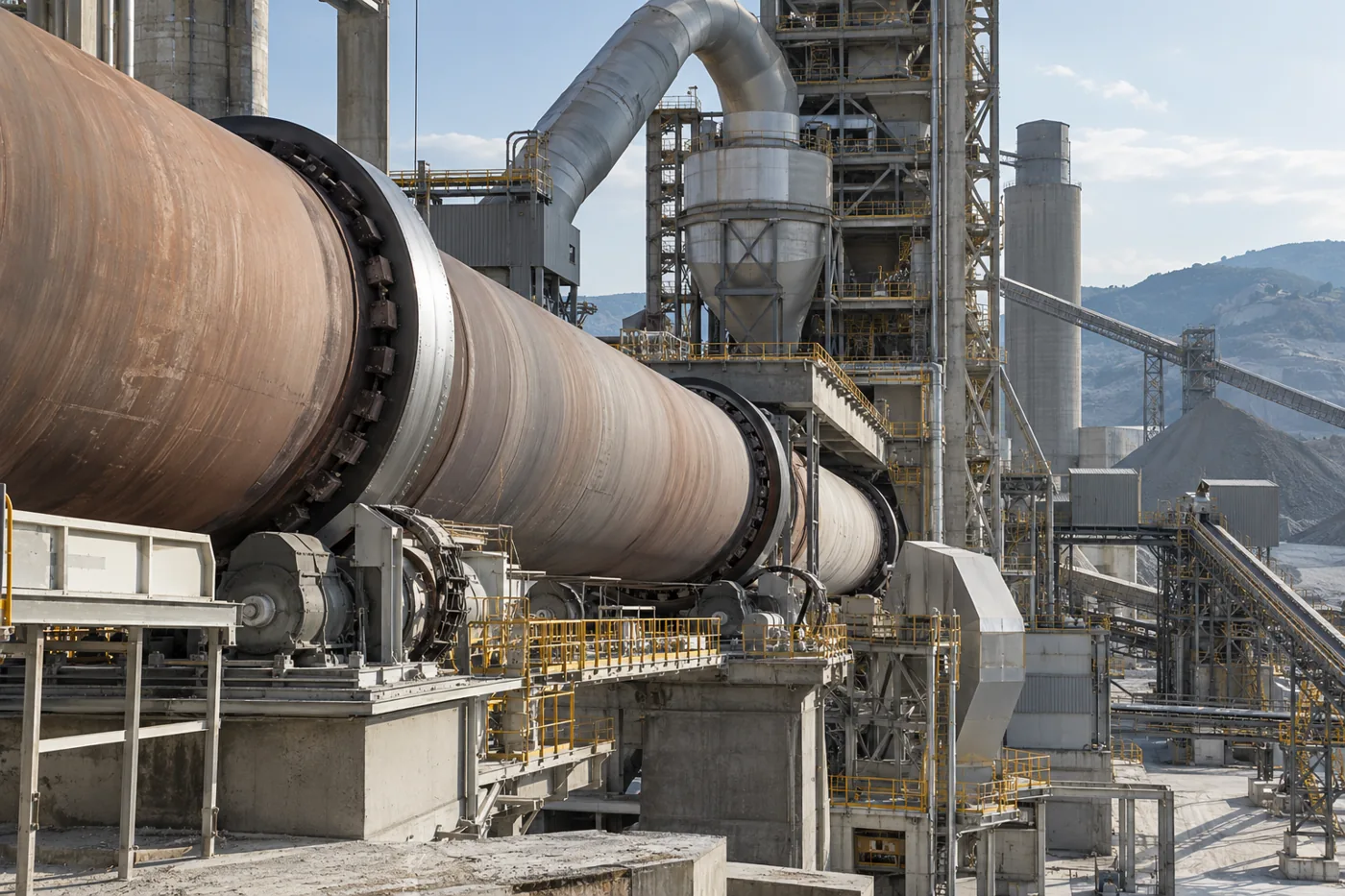
Cement
Durability in filtration systems: design and maintenance
The service life of a filtration system depends on the combination of sizing, manufacture, operation and maintenance. Recurring failures must be investigated by mechanism, rather than addressed solely by replacing the damaged component.
The process and emission sources
Durability is not a single equipment characteristic. Bags, cages, plates, seals, valves and the fan undergo different stresses and may limit availability for different reasons. Analysis must identify the component and mechanism that initiates the sequence of failures.
In a continuous line, minor degradation can accumulate: false air ingress changes thermal conditions, condensation encourages adhesion, cleaning loses effectiveness and resistance increases. Treating each occurrence in isolation can conceal the cause connecting the problems.
Characteristics that guide engineering
Abrasion, corrosion, condensation and thermal fatigue produce different damage. Inadequate gas distribution, excessive cleaning and insufficient discharge can also shorten bag life and increase downtime.
Solution configuration and sizing
The design must align materials selection, flow distribution and maintenance access. Wear plates and liners make most sense when positioned in identified impact regions. For bags and cages, geometry, installation and the quality of contact surfaces influence friction and fatigue damage.
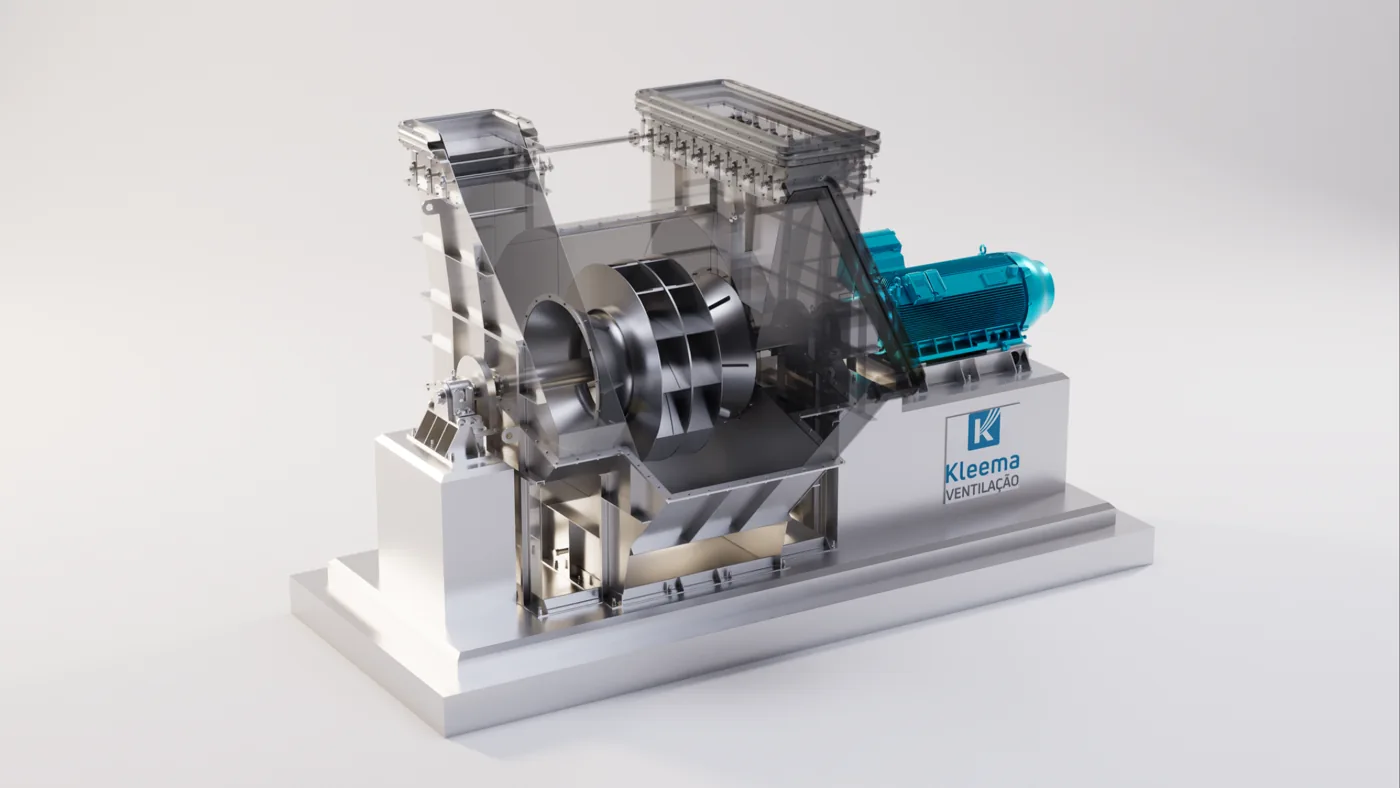
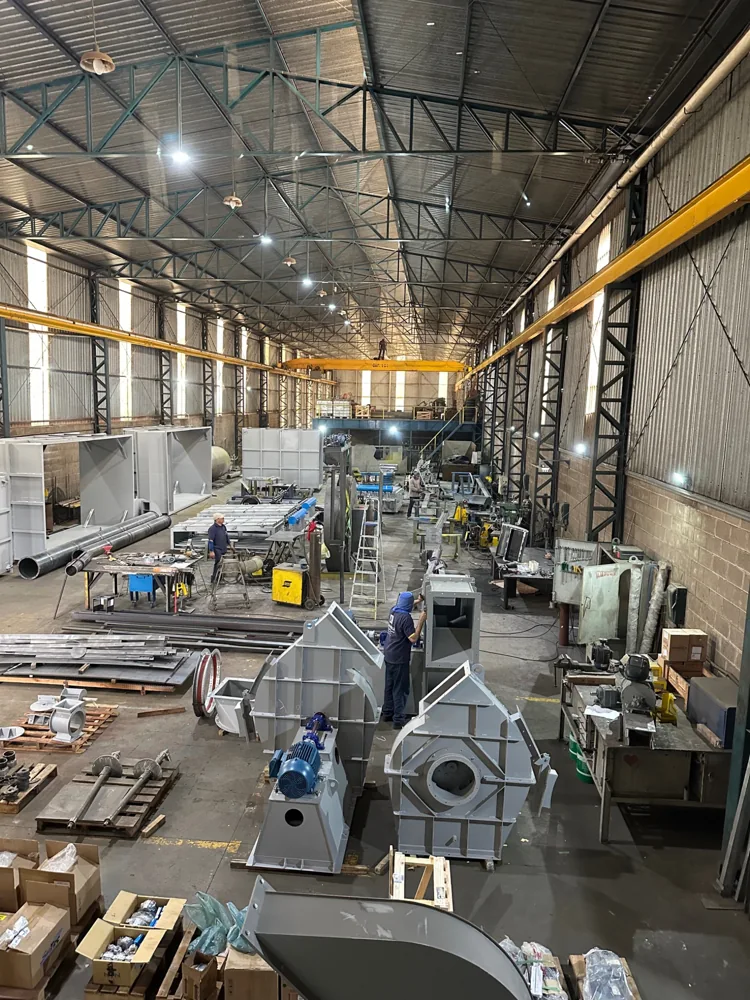
Manufacture must meet the specified welding, tightness and dimensional verification requirements. For fans, integrity, balancing and installation interfaces must be considered alongside wear protection. Inadequate access can prolong a simple replacement and increase downtime, even when the component has an acceptable service life.
Design parameters
| Parameter | How to assess it | Engineering decision |
|---|---|---|
| Failure map | Record position and mechanism | Address the recurring cause |
| Thermal condition and sealing | Monitor false air and condensation | Prevent a chain of degradation |
| Intervention time | Measure access and replacement time | Assess availability and total cost |
- Record failure history.
- Inspect impact regions and seals.
- Monitor differential pressure and temperature.
- Organize spare parts and access to shorten interventions.
Performance, diagnostics and maintenance
Records must document not only how many bags were replaced, but where they were located and the appearance of their damage. Failures concentrated near the inlet suggest a different investigation from failures distributed through thermal or chemical exposure. Photographs and position identification can support this analysis.
To compare alternatives, operating time between interventions, shutdown duration, parts costs and consequences for production should be considered. A solution with a higher initial price may reduce lifecycle costs; that conclusion, however, depends on the actual failure mechanism and observed wear rate.
Cause-based maintenance
Recording the position and type of bag failure can reveal flow distribution or mechanical contact problems. This history makes maintenance more useful to engineering than simply counting replaced elements.
Further technical reading
Does your process need an assessment?
Talk to Kleema engineering about sizing, modernization and operating conditions.
Talk to engineering ↗